

Fact-checked 30 July 2026. Table specifications come from official UAE pages. Driving observations are attributed to independent media and are not presented as Autosupp first-hand testing. No same-day, same-route, same-temperature direct test of both vehicles is currently available.
Bottom line
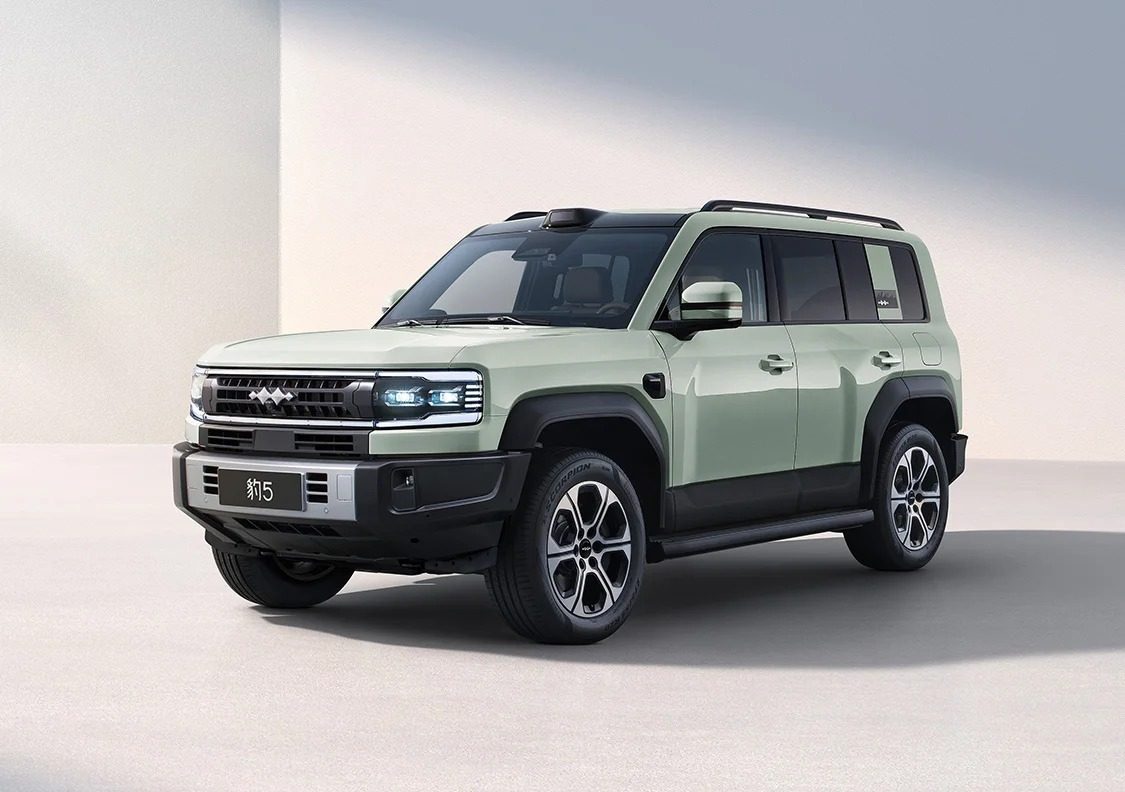
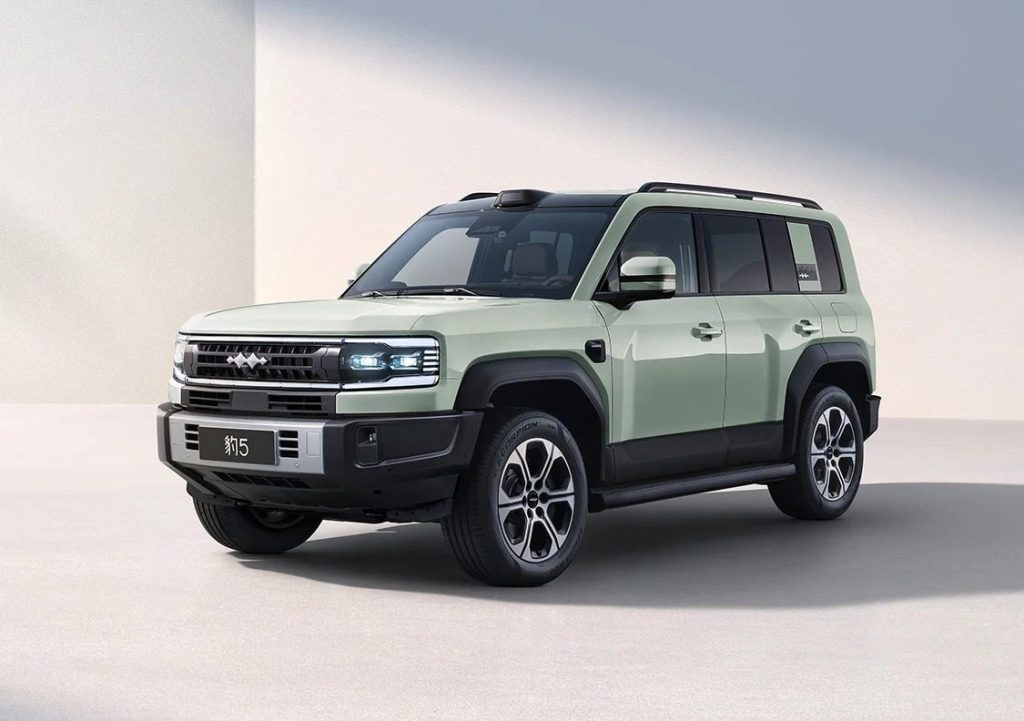
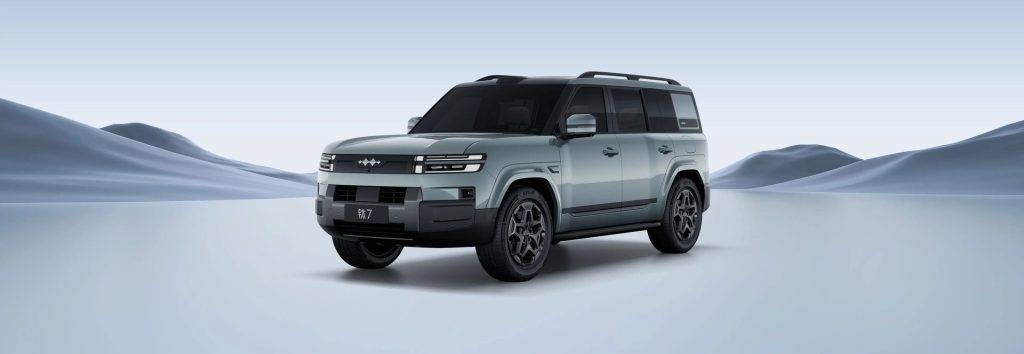
In UAE specification, both vehicles are plug-in hybrids; this is not a hybrid-versus-EV comparison. BYD Ti7 lists the longer combined range at up to 870 km WLTP versus 780 km for Denza B5. Current UAE pages do not publish a directly comparable electric-only range for both vehicles. B5 lists a 31.8 kWh battery and 100 kW DC charging; the Ti7 page records a 26.6 kWh battery and 6.6 kW AC charging without a published DC figure. UAE heat, A/C load, speed and payload reduce real range from laboratory figures, but no matched independent test supports a precise loss percentage for either vehicle.
Official figures that can be compared
| UAE specification | Denza B5 | BYD Ti7 | What it means |
|---|---|---|---|
| Combined range | Up to 780 km WLTP | Up to 870 km WLTP | Ti7 is 90 km higher on paper |
| Electric range | Not published in current UAE specifications | Not published in current UAE specifications | China-market CLTC figures are not substituted |
| Battery | 31.8 kWh LFP | 26.6 kWh LFP | Usable energy may differ from nominal capacity |
| Fuel tank | 83 L | Not published on the current UAE page | A different market’s number is not used to explain the range gap |
| AC charging | 11 kW | 6.6 kW | B5 is theoretically faster on a suitable supply |
| DC charging | 100 kW | Not published on the current UAE page | Another market’s figure is not inserted to complete the comparison |
| Connector | CCS2 | Confirm on the local trim/spec sheet | Verify the actual vehicle before planning charging |
What UAE heat changes
The US Department of Energy explains that extreme temperatures reduce electric driving range because energy is used to cool the cabin; high speed, payload and elevation also matter. NREL identifies climate control as one of the largest auxiliary loads in electric-drive vehicles. The same physics affects the electric portion of a PHEV, but it cannot be converted into one fixed “20% loss” for every trip.
- Sun-soaked parked car: the compressor starts with a large load to cool hot air and cabin surfaces.
- Motorway speed: aerodynamic demand rises quickly, so a Dubai–Abu Dhabi run is not equivalent to city driving.
- Payload and tyres: passengers, luggage, tyre size and pressure change the result.
- A PHEV does not stop when EV range is used: the engine can operate at low battery, under acceleration or with intensive A/C demand, changing fuel use and noise.
Which one fits your trip pattern?
| Use pattern | Closer fit on paper | What to verify |
|---|---|---|
| Short daily commute with home charging | No official EV-range winner is published | Test the summer distance and actual home-charging time |
| Frequent long trips with fewer stops | Ti7 for higher listed combined WLTP range | Low-battery fuel use and payload |
| You want faster DC top-ups | B5 for its stated 100 kW peak | Charging curve and suitable CCS2 station availability |
| No home charging | Range alone is not enough | Public charging time/cost and real low-battery fuel use |
PHEV versus Ti7 EV: keep it separate
The long-range, flash-charging Ti7 EV is published for China, but it is not the UAE Ti7 specification compared here. CLTC and WLTP are different test cycles, while battery size, drivetrain and charging infrastructure also differ. The China EV’s approximately 755 km claim is therefore not ranked against the UAE B5 PHEV in this table.
What evidence is still missing?
No independent comparison currently publishes ambient temperature, initial cabin temperature, both vehicles’ battery state, road speed, payload and range result on the same day. A precise claim that one “loses X% less” in UAE summer would be guesswork. A useful future test must repeat one route with matched tyres, pressures, passengers and A/C setting.
Comparison series
- Main comparison
- Range, heat and charging
- Interior, comfort and space
- Driving and off-road evidence
- Ti7, Leopard and Denza name guide
Frequently asked questions
Which has the longer official UAE combined range?
BYD Ti7 lists up to 870 km WLTP versus up to 780 km for Denza B5.
Which has the longer electric range?
Current UAE specifications do not publish a directly comparable electric-only figure for both vehicles, so no verified winner is stated.
Is WLTP range guaranteed in UAE summer?
No. WLTP is a comparison standard, not a promise for one trip. A/C, speed, payload and temperature affect range.
Is Ti7 EV available in the UAE?
This article does not assume that. The current BYD UAE page lists Ti7 Super Hybrid, while Ti7 EV is treated as a separate China-market reference.
Sources and evidence limits
- Denza B5 UAE V7 specification sheet — battery, tank and charging.
- Official BYD Ti7 page and UAE authorised-dealer page — range, battery, Super Hybrid powertrain and published fields.
- DOE electric-vehicle basics and DOE PHEV basics — climate load and engine operation.
- NREL climate-control research — general engineering evidence, not a test of these two models.
- Official China Ti7 EV page — separate reference, not mixed with UAE specifications.
Continue the comparison series: Return to the complete Leopard 5 vs Leopard 7 vs Leopard 8 UAE guide for the model-name map, official UAE specifications and links to every comparison chapter.